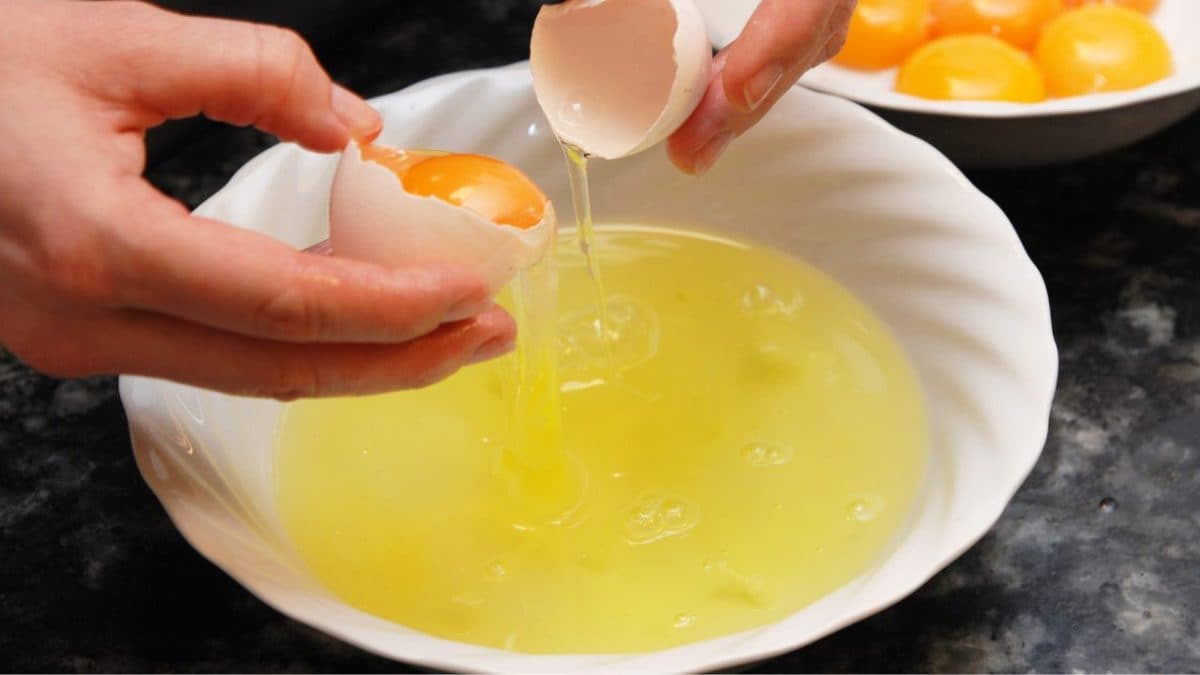
Navigating the kitchen can often lead to questions about food preservation, especially when it comes to specific ingredients like egg whites. Whether you've just whipped up a batch of homemade custard, used yolks for a rich hollandaise, or simply separated eggs for a specific recipe, you're likely left with a surplus of egg whites. The immediate thought that follows is often: how long does egg white last in fridge and freezer? Understanding the proper storage techniques and their respective timelines is crucial for both food safety and culinary efficiency, ensuring you don't waste precious ingredients or compromise your health. This article will delve into the practicalities of refrigerating and freezing egg whites, offering clear guidelines and actionable advice to extend their usability.
The Lifespan of Egg Whites in the Refrigerator
Refrigeration is the go-to method for short-term storage of egg whites. While it's convenient, understanding the exact duration and optimal conditions is key to maintaining their quality and safety. Getting this right is fundamental to answering the question: how long does egg white last in fridge and freezer effectively.
Understanding Freshness and Shelf Life
Generally, separated egg whites can last for about 2 to 4 days when stored correctly in the refrigerator. Some sources suggest they can even be safe for up to 7 days, but using them within the shorter timeframe is always recommended for optimal quality and peace of mind. The precise shelf life can be influenced by several factors:
- Initial Freshness: The fresher the eggs were before separation, the longer the whites will last.
- Storage Temperature: A consistent refrigerator temperature of 40°F (4°C) or below is ideal. Fluctuations can accelerate spoilage.
- Container Sealing: An airtight container is paramount to prevent absorption of odors from other foods and to protect against bacterial contamination.
It's important to note that while the whites might appear fine after 4 days, their ability to whip into stiff peaks (crucial for meringues or soufflés) might diminish. For more foundational knowledge on egg storage, including separating techniques, you might find our related article, how long does egg white last in fridge and freezer - Article 1, particularly helpful.
Best Practices for Refrigerated Storage
To maximize the shelf life of your refrigerated egg whites and ensure they remain safe and functional, follow these simple but effective steps:
- Use Clean, Airtight Containers: Glass jars with tight-fitting lids or clean plastic containers are excellent choices. Avoid open bowls or containers covered only with plastic wrap, as these don't offer sufficient protection.
- Label and Date: Always label the container with the date you separated the egg whites. This simple habit makes it easy to track freshness and adhere to the 2-4 day guideline.
- Store Properly in the Fridge: Place the container on a middle or lower shelf, where temperatures are generally more consistent. Avoid storing them in the refrigerator door, which is subject to frequent temperature changes due to opening and closing.
- Avoid Cross-Contamination: Ensure the container is sealed well to prevent any contact with raw meats or other potential contaminants in your fridge.
Freezing Egg Whites for Extended Preservation
When you have a significant number of egg whites and know you won't use them within a few days, freezing is an excellent, often overlooked solution. It's a fantastic way to extend their life dramatically and reduce food waste, directly answering the freezer aspect of how long does egg white last in fridge and freezer.
The Benefits of Freezing Egg Whites
Freezing offers several advantages:
- Longer Shelf Life: Frozen egg whites can last for up to 12 months, providing a much longer window of use compared to refrigeration.
- Reduces Waste: It's a perfect solution for those who frequently use egg yolks (e.g., for custards, ice cream, or pasta) and are often left with excess whites.
- Convenience: Having a stash of frozen egg whites means you're always ready for recipes that call for them, without needing to separate fresh eggs.
Step-by-Step Guide to Freezing
Freezing egg whites is straightforward:
- Separate Carefully: Ensure no yolk gets into the whites, as yolk fat can prevent whites from whipping properly later.
- Portion Control: For easy future use, freeze egg whites in individual portions. An ice cube tray is ideal, as each cube typically holds about one egg white (approximately 2 tablespoons or 30ml).
- Label and Date: Once frozen solid (after a few hours), pop the egg white cubes out of the tray.
- Transfer to Airtight Containers/Bags: Store the frozen cubes in heavy-duty freezer bags or airtight freezer-safe containers. Label clearly with the date and the number of egg whites per cube (e.g., "Egg Whites - 2 per cube - 10/26/2023"). This makes it easy to grab exactly what you need for a recipe.
Thawing and Using Frozen Egg Whites
Proper thawing is crucial to ensure the quality of your frozen egg whites:
- Thaw in the Refrigerator: Always thaw frozen egg whites in the refrigerator overnight. Never thaw them at room temperature, as this can encourage bacterial growth.
- Texture Change: You might notice that thawed egg whites are a bit more liquidy or watery than fresh ones. This is normal due to the freezing and thawing process.
- Usage Considerations: While they might not whip to quite the same volume as fresh egg whites, they are perfectly suitable for most applications, including meringues, angel food cakes, soufflés, and general baking. For more advanced tips on utilizing thawed egg whites or specific recipes, explore our next article: how long does egg white last in fridge and freezer - Article 3. For simple dishes like omelets, scrambles, or adding to smoothies, the slight texture difference is completely negligible.
Recognizing Spoilage and Ensuring Safety
Regardless of whether you refrigerate or freeze, knowing how to identify spoiled egg whites is paramount for food safety. The question of how long does egg white last in fridge and freezer is ultimately tied to recognizing when they are no longer safe to consume.
Signs of Spoiled Egg Whites
Trust your senses when assessing the freshness of egg whites:
- Off-Smell: The most obvious sign of spoilage is a strong, sulfurous, or sour odor. Fresh egg whites should have almost no smell.
- Discoloration: While egg whites are naturally clear to slightly opaque, any distinct discoloration like pink, green, or yellow hues indicates bacterial contamination and spoilage.
- Unusual Texture: If the egg whites appear overly cloudy, slimy, or develop a jelly-like consistency that doesn't dissipate with a gentle swirl, it's a sign they've gone bad.
- Mold: Any visible mold is a definitive sign to discard immediately.
Food Safety First
When it comes to food safety, the golden rule is: "When in doubt, throw it out." Consuming spoiled egg whites can lead to foodborne illnesses due to bacterial growth. Always err on the side of caution. Practicing good kitchen hygiene, such as washing hands and surfaces after handling eggs, is also essential to prevent cross-contamination.
Practical Tips and Creative Uses for Stored Egg Whites
Now that you know how long does egg white last in fridge and freezer, let's explore how to put your stored egg whites to good use, ensuring nothing goes to waste.
Maximizing Your Egg White Inventory
Having a ready supply of egg whites opens up a world of culinary possibilities:
- Meringues and Meringue-Based Desserts: From lemon meringue pie to pavlova and macarons, egg whites are the star of these airy, delightful treats.
- Angel Food Cake: This light, fluffy cake relies entirely on a large quantity of whipped egg whites for its signature texture.
- Soufflés: Both sweet and savory soufflés gain their impressive rise and delicate texture from carefully folded egg whites.
- Frothy Cocktails: Many classic cocktails, like the Whiskey Sour or Gin Fizz, use egg whites to create a rich, frothy head.
- Healthy Meal Additions: Add them to omelets, scrambles, or frittatas for a boost of lean protein. They can also be incorporated into smoothies without altering the flavor much.
- Non-Culinary Uses: Egg whites are also a popular ingredient in homemade facial masks, known for their skin-tightening properties.
By actively seeking out recipes and applications, you'll find that stored egg whites are an incredibly versatile ingredient, making your kitchen more efficient and reducing waste significantly.
Conclusion
Understanding how long does egg white last in fridge and freezer is more than just knowing a number; it's about smart kitchen management and food safety. Refrigerated egg whites offer a short-term solution, lasting 2-4 days when kept in an airtight container at a consistent cool temperature. For longer preservation, freezing is your best bet, extending their usability for up to a year. Remember to properly portion, label, and thaw them in the refrigerator. Always trust your senses to identify any signs of spoilage, and when in doubt, it's safer to discard them. By following these guidelines, you can confidently store, preserve, and utilize your egg whites, reducing food waste and making the most of this versatile ingredient in your culinary endeavors.
